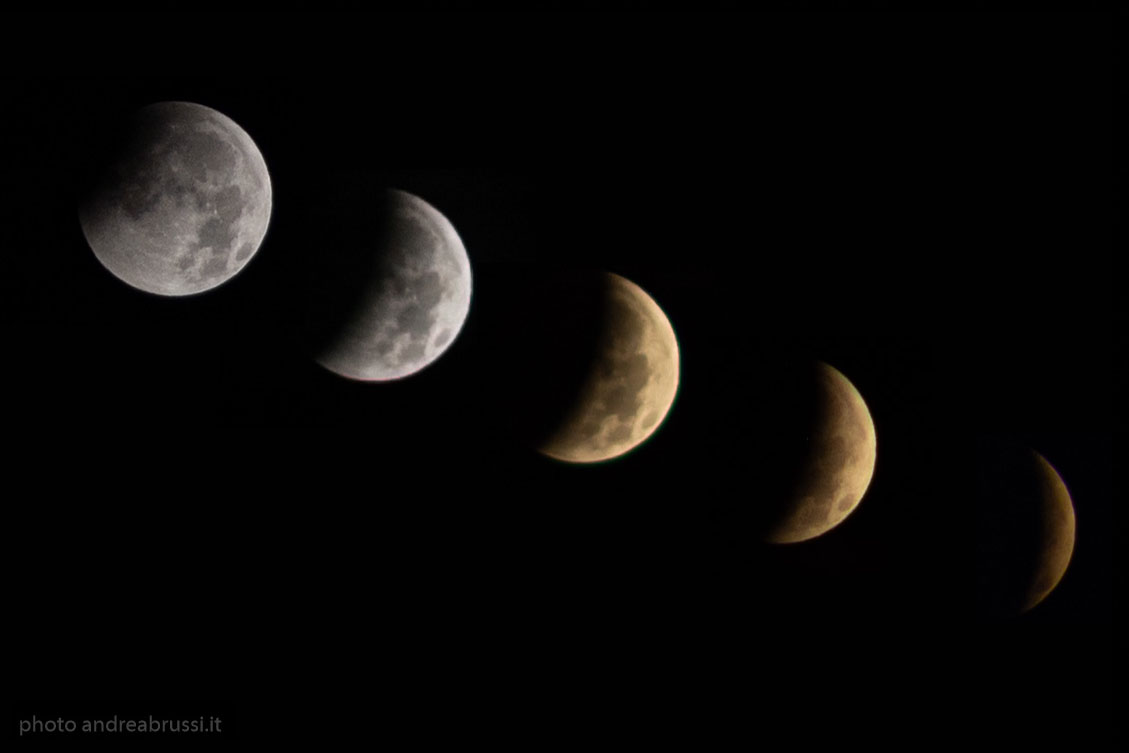
A very modest contribution to the last lunar eclipse taken with a normal reflex lens – Nikon D7200, Nikkor 85 mm f 1.8, in the province of Treviso (Italy). Unfortunately, the sky was slightly cloudy.
please, rate this post
My Science & Epistemology Researches
Post concerning our Solar System
A very modest contribution to the last lunar eclipse taken with a normal reflex lens – Nikon D7200, Nikkor 85 mm f 1.8, in the province of Treviso (Italy). Unfortunately, the sky was slightly cloudy.
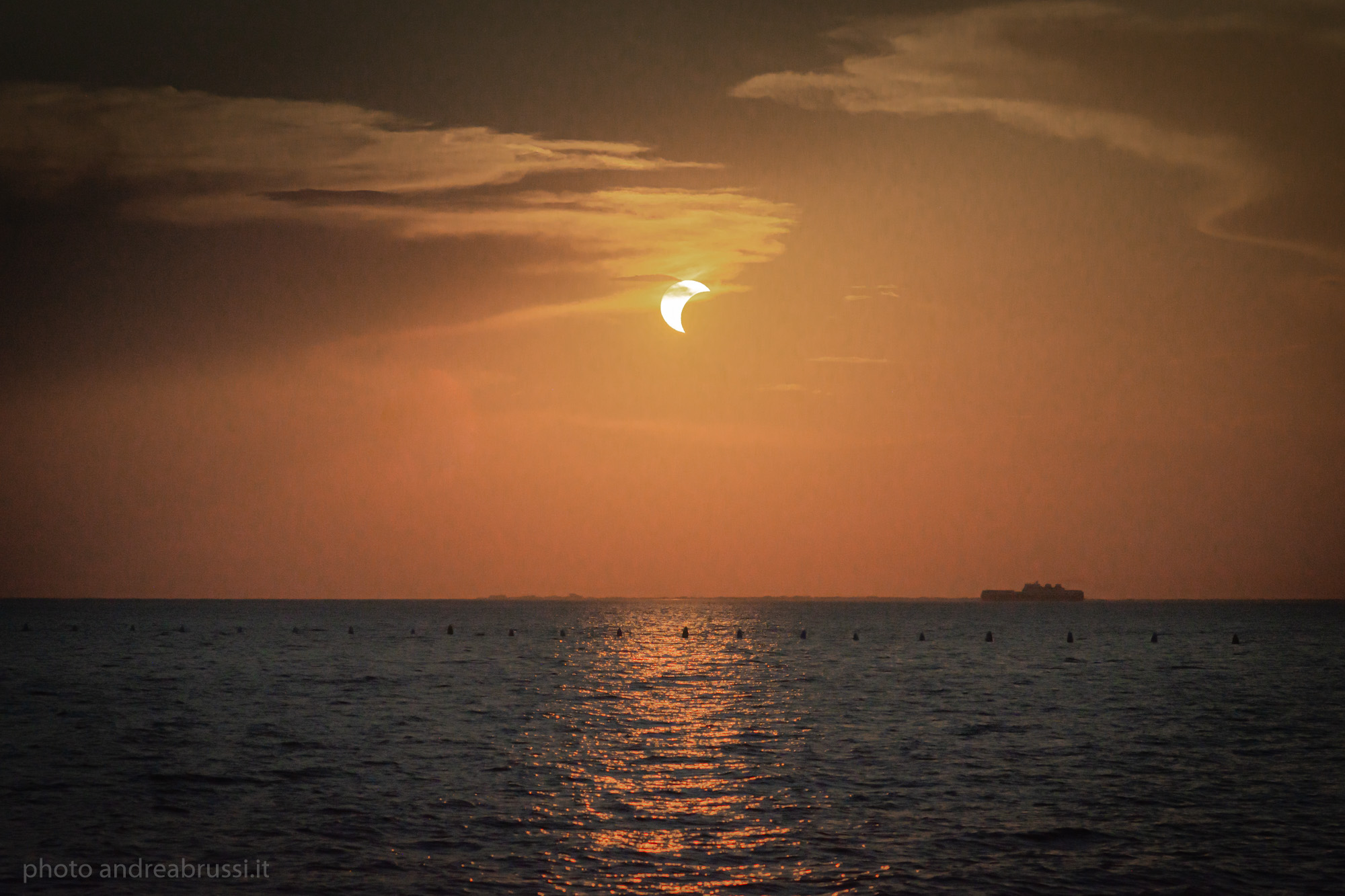
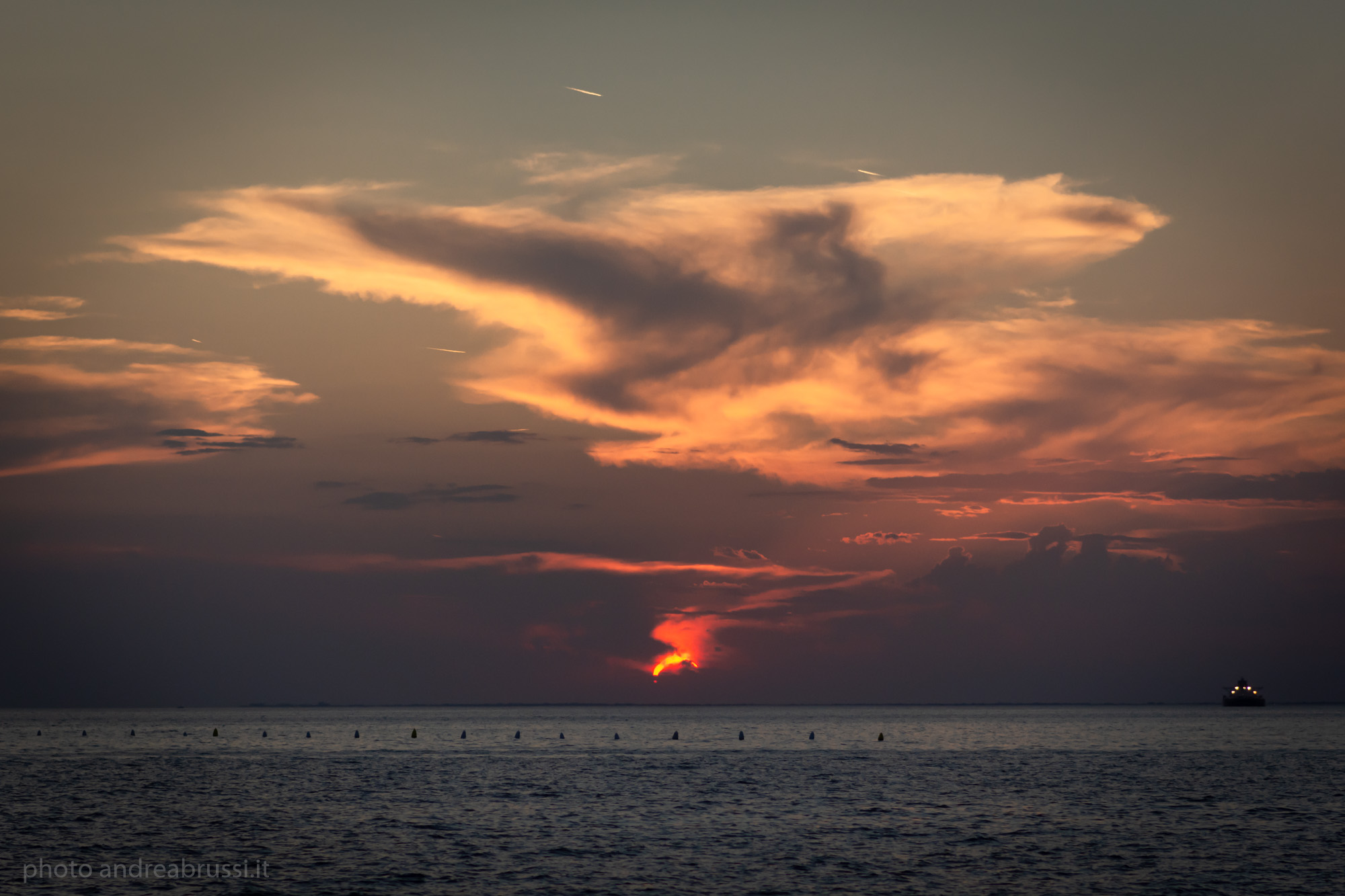
The clouds then prevented us from enjoying the sunset over the sea to the fullest (about 90%), but it was still exciting.
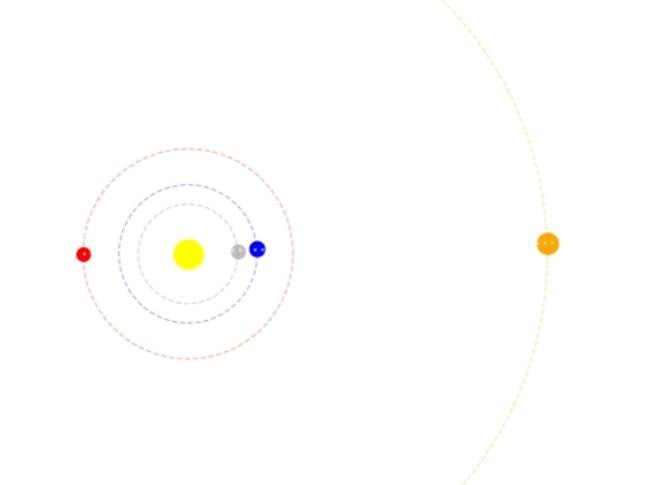
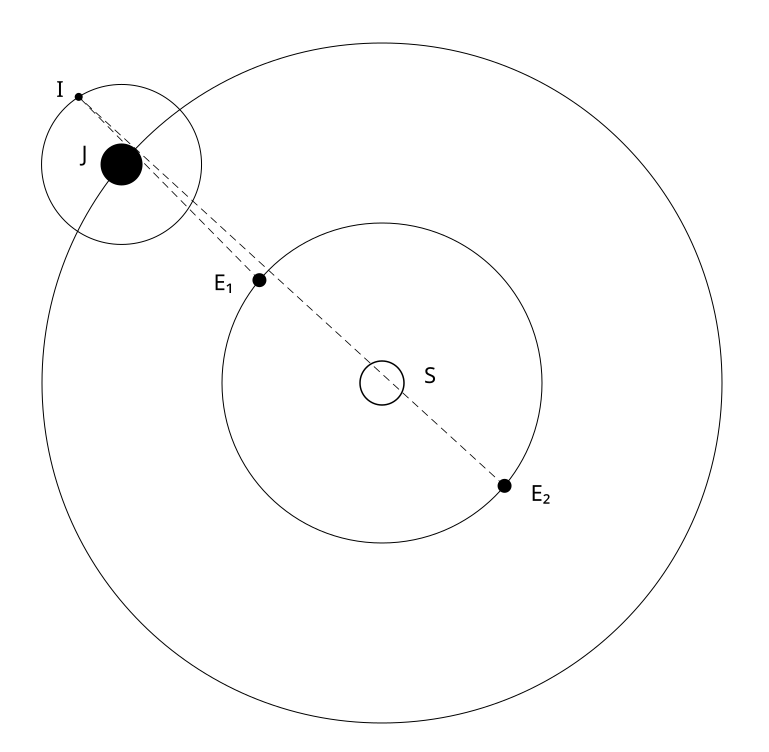
The following image shows Venus, Earth, and Jupiter in the sky of Mars. It was published on X, but some users claimed it was fake, saying that the three planets couldn’t be seen aligned because Mars’s orbit was in the middle of theirs.

So I created the following diagram to explain that it is absolutely possible to see them like this, after sunset, even if it’s not a frequent configuration. For the planets to be seen, Jupiter, Earth, and Venus must be illuminated by the Sun, so they must be on the other side of the Sun’s orbit, as in my drawing. (Note: the orbits are to scale; the planets and the Sun’s measurements are not!)
However, I cannot guarantee that the photo isn’t fake!
Let us first consider the air we breathe on Earth.
It is a mixture of gases, as well as water vapour (from 0% to 4%) and dust.
The main gases are:
– Nitrogen (N₂): 78.08%, a molecule made of two nitrogen atoms
– Oxygen (O₂): 20.95%, a molecule made of two oxygen atoms
– Argon (Ar): 0.93%, a noble gas—so called because it does not bind into molecules (its outer electron shell is complete, with the 8 electrons allowed)
– Carbon dioxide (CO₂): about 0.04%, made of one carbon atom and two oxygen atoms.
With rounding, the total comes to 100%, but there are also traces of other gases, such as neon (Ne), helium (He), methane (CH₄), ozone (O₃). From everyday experience we know its elastic properties, which make it compressible and give concrete meaning to the concept of pressure (force applied on a surface), but we rarely think about its weight.
One litre, i.e., one cubic decimetre, of dry air at sea level and at the standard temperature of 15°C weighs about 1.2 grams. Stated like that it sounds like little, but it means that 1 cubic metre weighs 1.2 kg. That is why the kilometres of air above our heads ‘weigh’: as you go up the gases become increasingly rarefied and the air weighs less, but we are talking about tens of kilometres, if not more (to give a more precise estimate one would have to set a limit in pressure or in specific weight). This weight, obviously determined by gravitational attraction, is substantial: the standard pressure of 1 atmosphere corresponds to about 1 kg of weight per square centimetre. In other words, for every square centimetre of our body (a little less than an average fingernail) the acting force is equivalent to 1 kg of weight.
We are not crushed by it and we scarcely notice it because from the inside our body exerts an equal and opposite pressure: we are essentially like balloons that do not burst because the pressures balance. In addition, pressure acts in all directions, not only vertically, so we are not ‘pushed’ one way, we receive the push from every side.
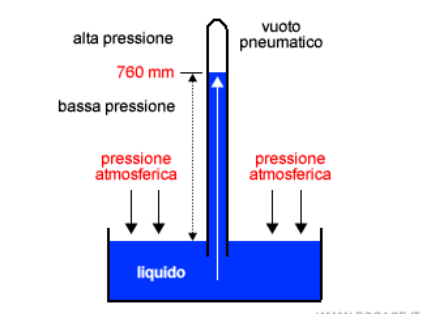
The instrument for measuring atmospheric pressure was invented in 1643 by Evangelista Torricelli (1608–1647), a student of Galileo Galilei (1564–1642). He observed that a transparent tube closed at one end and filled with mercury, when inverted into a basin also containing mercury, maintained a height of about 76 cm, as in Figure 1. Therefore, the weight of the mercury column in the tube had to be equivalent to the weight of the air. The standard unit of measurement for atmospheric pressure is the Pascal (or the hectoPascal, hPa, equal to 100 Pascals, called millibar in meteorology as a submultiple of the bar). One atmosphere, defined as the average pressure at sea level, corresponds to 1,013 hPa, and is the simplest measure for quick explanations. For example, as you gain altitude the trend is not linear because, as mentioned, the air becomes lighter; but at first the pressure halves roughly every 5,500 metres. To give easily testable figures, at 1,500 metres above sea level the pressure is about 84%, at 3,000 metres it is about 69%. That is to say: at 1,500 metres altitude the pressure difference (negative) is comparable to that of a couple of metres of water depth—this is why, even when going into the mountains, it is often necessary to equalize the pressure on our eardrums.
Figure 1 – Torricelli’s barometer (source: ecoage.it, under CC Creative Commons licence)
In this post I will not go into meteorological questions, but it is clear that depending on humidity content and temperature this weight changes, determining differences between locations that generate weather phenomena: wind, clouds, rain, air-mass fronts, etc.
Returning to weight, by analogy with the measure of one atmosphere, note that it corresponds to a column of water about 10 metres high (because of the large difference in density between the two fluids: mercury is almost 14 times as dense as water). Thus, the pressure of the kilometres of air above us is equivalent to 10 metres of water; that is, when we dive, at 10 metres depth we experience a pressure about double what it was before we entered the water. Okay, this is not something people normally do, but anyone who has dived even just a few metres has clearly felt the external pressure (and the need to equalize the internal pressure in the ears). With simple multiplication, this means that at 50 metres depth the “weight” is 5 kg per cm², and at 1,000 metres it is 100 kg per cm².
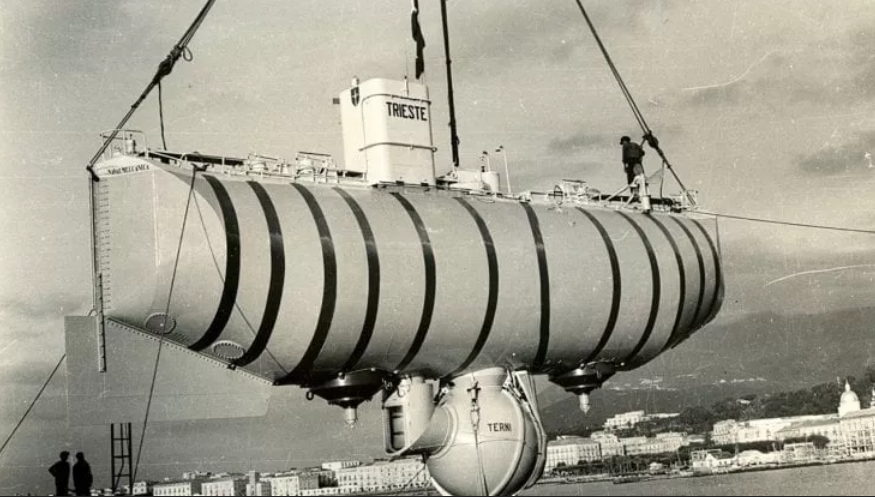
In the Mariana Trench, where the bathyscaphe Trieste (built in Italy, Figure 2) first arrived with the exploration pioneers Jacques Piccard and Don Walsh in 1960, at nearly 11,000 metres depth, the pressure was over one tonne per cm². To withstand it, the steel hull was about 13 cm thick!
Figure 2 – Bathyscaphe Trieste (source: repubblica.it)
And how much does the air weigh on Mars?
The Martian atmosphere is composed of about 95% carbon dioxide (CO₂) (oxygen is only about 0.13%). The pressure is very low, about 1% of Earth’s, around 6 hPa compared with our 1013 hPa. It might seem like a paradise for plants that ‘breathe’ CO₂, but aside from the fact that at night plants also breathe oxygen (so they would suffocate), the very low pressure and extremely low temperature (−60°C) would not allow water to be liquid, so the plant’s biochemistry would come to a halt as well.
A significant problem with very low pressure for the human body is the so-called Armstrong limit (about 63 hPa), below which water and blood (at body temperature) would begin to ‘boil’ spontaneously because the external pressure is too low to keep them in the liquid state. A walk on Mars without a pressurized suit is strongly discouraged, regardless of the temperature and the lack of oxygen! On Earth this limit is reached at around 18 km of altitude.
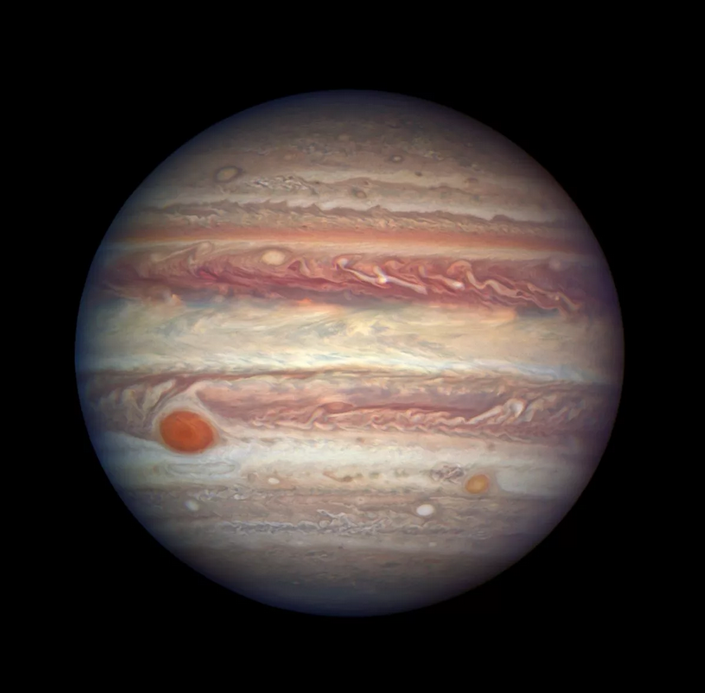
On Jupiter things ‘get worse’ considerably: first of all there is no solid surface; the planet is entirely gaseous, made of about 90% hydrogen (H₂) and 10% helium (He), plus traces of other gases (which are what determine the coloured bands and spots we observe, see Figure 3). Moving inward from the outer layers, because of pressure these gases become liquids and temperatures become extremely high, perhaps 30,000°C near the core, consisting of molten metallic hydrogen (i.e., behaving like a molten metal, for example mercury), which produces its intense magnetic field (20 to 50 times Earth’s and more than twice the Sun’s, except in sunspots, where it is about 300 times stronger). The pressure, which on the outside is of the same order of magnitude as ours, likely reaches 100 million times that toward the centre.
Jupiter is basically a failed star, a terrible place.
Figure 3 – Jupiter (source: NASA / Space Telescope Science Institute, 2017)
Second episode of the deep dives into the measurements of the universe around us. The first one was about the Earth and the Moon.
This one is about the Solar System, that is, the bodies that orbit the Sun, our star.
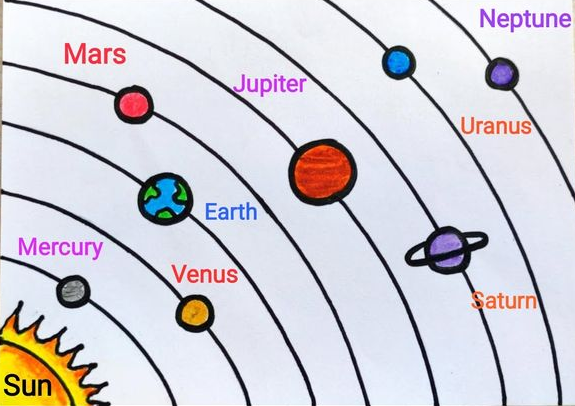
The planets classified as such are, in order of increasing orbital radius: Mercury, Venus, Earth, Mars, Jupiter, Saturn, Uranus, Neptune (see Figure 1). Besides these main bodies there are many secondary ones, such as dwarf planet, moons, asteroids, and comets, but we will focus only on the main objects.
Figure 1 – drawing of the sequence of planets of the solar system
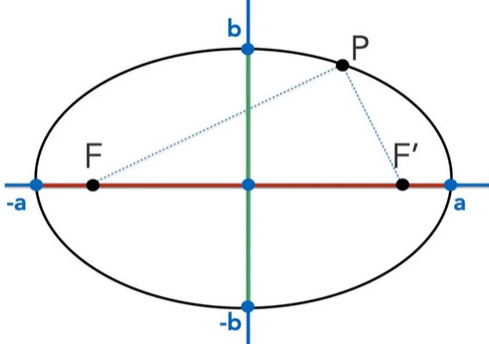
Since Kepler (1571–1630) we know that orbits are ellipses (see Figure 2), with the Sun located at one of the foci. In reality, eccentricity (i.e. a – b with reference to Figure 2) is quite low, about 3% for Earth and modest for all the planets except Mercury. Other celestial bodies orbiting in the Solar System, such as asteroids (larger ‘rocks’ measuring a few hundred kilometers), also exhibit significant eccentricity (which measures how much their orbit deviates from a circle). For simplicity we will consider circular orbits and a single radius.
Figure 2 – An ellipse is a plane curve surrounding two focal points, such that for all points on the curve, the sum of both distances to the two focal points is a constant ( FP + PF’ = constant for each P on the curve); in this example, the eccentricity is very large, while for the planets it is much smaller; the F points are called foci, a is the semi-major axis, b is the semi-minor axis.
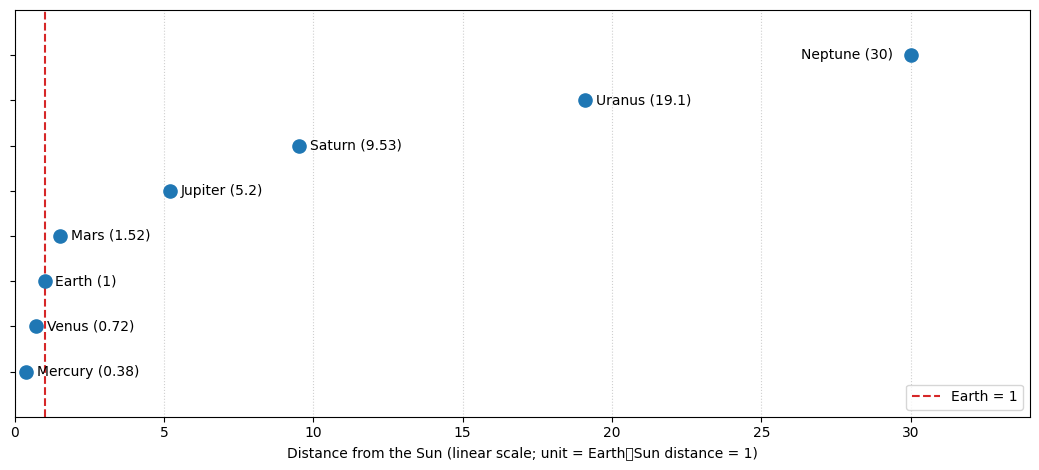
We will not list all of the measurements for these objects, but only a few reference ones. It is important to understand the need to change the reference scale, moving to a larger one, we can no longer use the soccer ball from the previous post. Now let us imagine Earth as a tiny grain of fine sand (0.09 mm), and its distance from the Sun as 1 meter (the radius of its orbit, usually called the astronomical unit, AU). On this scale, the planet closest to the Sun is Mercury (with a radius 0.38 that of Earth), at about 38 cm. Mars (with a radius 0.52 that of Earth) orbits at about 1.5 m; the gas giants Jupiter (radius 11 times that of Earth, i.e., 0.9 mm on the adopted scale) at about 5 m, and Saturn (radius 9.5 times that of Earth) at about 9.5 m. Uranus and Neptune are very far away, at about 19 m and 30 m respectively. See Figure 3 for a scale diagram.
Figure 3 – a scale diagram of distances in the Solar System
But what does this one meter of distance, taken as a reference for Earth’s orbit, correspond to? It is about 149 million km, a distance that would take roughly 170 years to cover by car traveling at 100 km/h. Light, which travels at 300,000 km/s (more than 1 billion km/h), takes about 8 minutes to go from the Sun to Earth, and more than 4 hours to reach Neptune.
And how big is the Sun? Its radius is about 670,000 km, so compared with the Earth as a soccer ball model, it would be a sphere with a radius of 11.60 m, roughly the volume of a a five-story building of 400 square meters per floor. Compared with the Earth as a grain of fine sand model, it would be a ‘grain’ of almost 1 cm (9.3 mm).
Earth has one large moon, the Moon; Mars has two small ones, Phobos and Deimos. Jupiter has four major moons (Io, Europa, Ganymede, Callisto, discovered in 1609 by Galileo Galilei, 1564–1642) and 91 smaller ones. Saturn has as many as 146 in total! Practically all moons are in synchronous rotation, meaning they always show the same face to their planet, like our Moon.
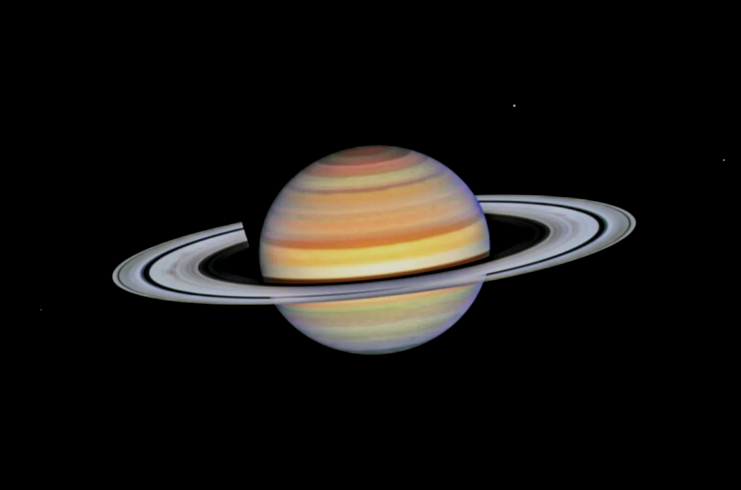
Saturn’s rings (Figure 4), made up of countless particles of ice and rock, are more than 30,000 km wide (three times Earth’s diameter) but extremely thin, ranging from a few tens of meters to a few hundreds of meters. For this reason, when they are seen edge-on (about every 15 Earth years), they reflect almost no sunlight and are not visible from Earth.
Figure 4 – Saturn photo by HST (source: NASA, ESA, STScI, Amy Simon NASA-GSFC)
Beyond the orbit of Neptune, or on our scale between 30 and 50 meters, lies the Kuiper Belt (named after Gerrit Pieter Kuiper, 1905-1973), which contains thousands of icy bodies, remnants of the formation of the Solar System, including dwarf planets like Pluto, essentially distributed in a volume squashed on the plane of the ecliptic. The so-called heliosphere ends here. An even more external region, the Oort Cloud (named after Jan Oort, 1900-1992), between 2 and 200 km on our scale, has been hypothesized to contain an immense diffusion of ice and rocks, the reservoir from which comets are drawn by the Sun. We can consider it as the outer boundary of the Solar System.
Next episodes:
Understanding the Sizes : 3 – Milky Way
Understanding the Sizes : 4 – galaxy clusters and beyond
Previous episode:
Understanding the Sizes : 1 – Earth and Moon
In everyday life, we don’t stop to think about the ‘sizes’ of the planet we live in, the Solar System, and the galaxy (Milky Way) in which we orbit with our mothership, Earth.
In a series of insights, we aim to understand the distances and some parameters that characterize these systems. This first one concerns the Earth and its satellite, the Moon (Figure 1).
Figure 1 -the Earth and the Moon
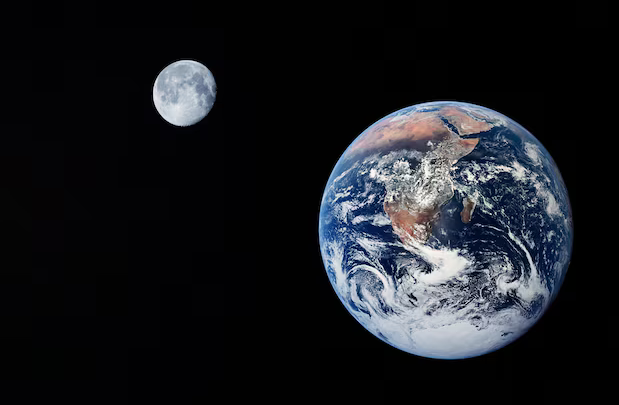
The average radius of the Earth (slightly smaller at the poles than at the equator) is approximately 6,370 km, meaning its circumference is approximately 40,000 km. Therefore, an electromagnetic signal traveling at 300,000 km/s would circle the planet 7.5 times in one second.
Here are some interesting measurements to compare:
– The thickness of the troposphere, where virtually all meteorological phenomena occur and almost all water vapor is concentrated, varies from about 8 km (at the poles) to about 20 km (at the equator), or, on average, 14 km. That is, if the Earth were the size of a soccer ball (radius about 11 cm), the troposphere would be roughly the thickness of two sheets of paper (about 0.24 mm).
– The highest mountain (Everest, about 8.8 km) and the deepest ocean (Mariana Trench, about 10.9 km) are of the same order of magnitude as the height of the troposphere. As if to say that if you held that soccer ball in your hand you would almost not notice their presence.
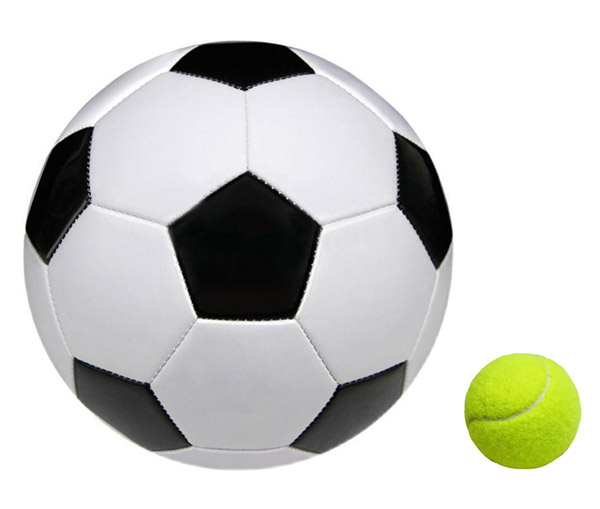
– The Moon, which has a radius of 1,737 km, would be slightly smaller than a tennis ball (radius about 3 cm) compared to the soccer ball sized Earth, see Figure 2. Its average distance from Earth is about 380,000 km, so an electromagnetic signal takes about 1.3 seconds to arrive; in the proportions calculated for the balls, the distance between them would be about 6.5 meters.
Figure 2 – Soccer ball and tennis ball in the proportions of Earth and Moon
– The altitude at which airliners fly, about 10 km, is little more than the thickness of a sheet of paper. Seen from space they appear to crawl more than fly. The International Space Station (ISS) is maintained at an altitude of about 400 km, about 7 mm above the soccer ball, at a speed of about 28,000 km/h, or it would move about 8 mm per minute.
– Considering the Earth’s rotation in 24 hours, the tangential velocity of a point at the equator is almost 1,700 km/h; at our latitudes of about 45°, the speed is just under 1,200 km/h. For this reason, spacecraft launch pads are positioned at low latitudes, near the equator, to take advantage of the higher linear velocity. The escape velocity required to overcome gravitational pull (about 40,000 km/h on Earth) is more easily achieved by exploiting the velocity of the launch point (with a starting direction toward the east for maximum effect, considering that the Earth rotates towards the east and the speeds can add up).
Note that escape velocity is not tied to ‘up’; it’s the minimum speed at a given altitude to be unbound, in any direction, as long as you don’t collide with the planet.
Next episodes:
Understanding the Sizes : 2 – Solar System
Understanding the Sizes : 3 – Milky Way
Understanding the Sizes : 4 – galaxy clusters and beyond
Joseph-Louis Lagrange (1736-1813) was a great mathematician of the 18th century. His main studies on mechanics led him to tackle the gravitational three-body problem, which, however, remains unsolved to this day because the system is inherently chaotic and unpredictable in the long term, as small initial variations cause drastically different results.
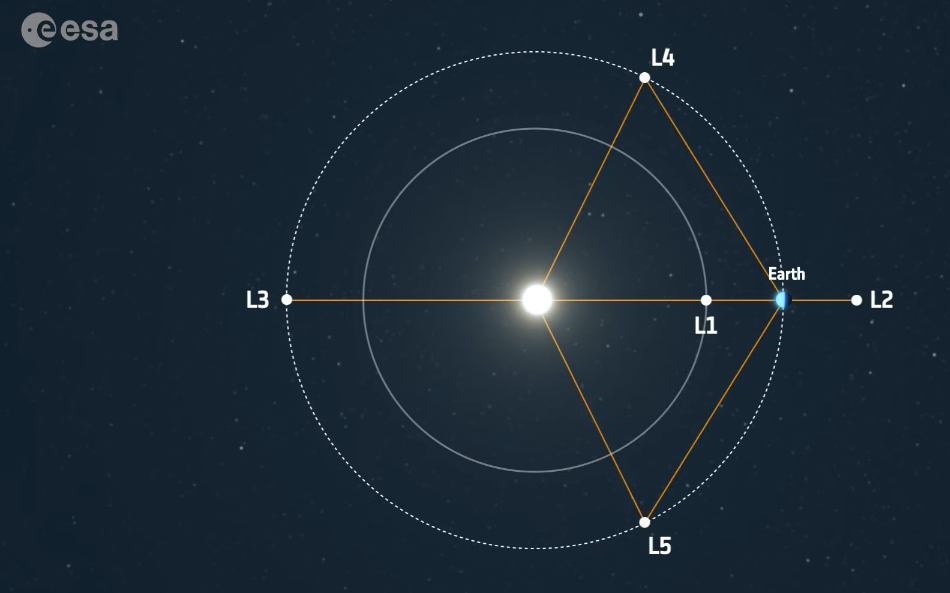
Lagrange found the equilibrium solutions (the five Lagrangian points, see figure taken from the ESA website) for the system in the simplified yet highly interesting case where the third body has negligible mass compared to the other two (e.g., the Sun, a planet, and an asteroid or an artificial satellite). The first three points (L1, L2, L3) had already been found by Leonhard Euler (1707-1783), another huge mathematician of the 18th century, while Lagrange found the so-called ‘triangular’ points (L4, L5), because they form perfect equilateral triangles with the two main bodies.
For details about these points, please refer to the easy explanations on the
 ESA (European Space Agency) website.
Obviously, Lagrange could never have known about the evidence supporting his conjecture (it was only in 1906 that astronomers confirmed his theory by discovering Trojan asteroids captured at points L4 and L5 of Jupiter’s orbit) or its current usefulness in positioning our space exploration vehicles.
Thanks to their ‘gravitational stability’, which saves positioning energy (and in the case of L2 also provides partial shielding from the Sun), it is conceivable that, in the future of space exploration, advanced bases for deep space exploration will be located at Lagrangian points.
The 5 Lagrangian points, from the ESA (European Space Agency) website; the orbits of points L1 and L2 are not to scale, the distance from Earth is about 1/100 of the radius of Earth’s orbit.
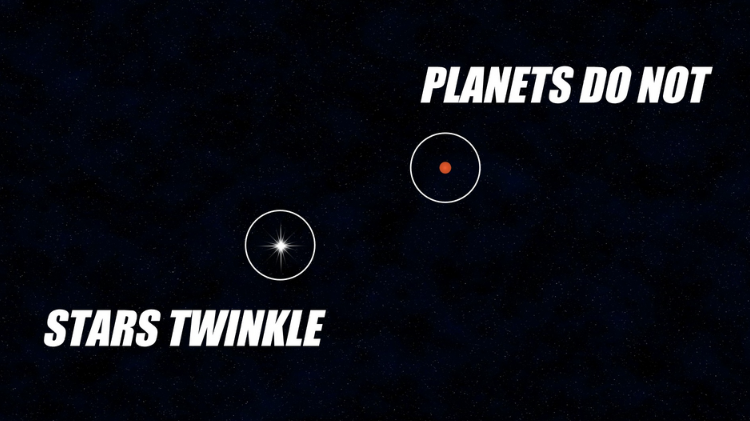
This fact, known for millennia, allows even the layman to immediately distinguish in the night sky one of the planets of the Solar System (Venus, Mars, Jupiter, Saturn) from the stars with the naked eye.
These light sources, observed from the Earth’s surface, exhibit two main characteristic behaviors due to the same cause, atmospheric turbulence:
– slight oscillations in position (appreciable with good binoculars or a small telescope)
– intensity twinkling (typically only stars).
Other effects, especially when the source is close to the horizon, are: chromatic twinkling (color changes), atmospheric extinction (decrease in brightness), reddening, and twinkling of the planets.
Atmospheric turbulence at low altitudes (the first tens or hundreds of meters) is responsible for positional oscillations, together with turbulence at medium altitudes (6-8 km) where air cells of different temperatures and densities mix, while turbulence near the tropopause (8-12 km) associated with jet streams is responsible for scintillation.
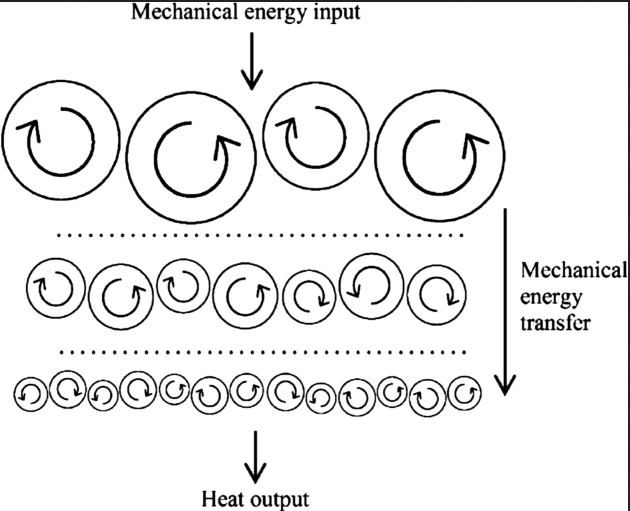
It is the optical dimensions of the sources that make the difference in the scintillation, based on their interaction with turbulence cells, which also vary in size. Jet streams determine large cells, ranging from tens to hundreds of meters, but turbulence follows Kolmogorov’s cascade model (see Figure 1), dissipating the initial kinetic energy into increasingly smaller vortices, down to the order of centimeters or millimeters, eventually dissipating into heat. It is precisely these microcells that deflect the point-like light from stellar sources, but they have a mediated effect in the case of optically larger sources such as planets, which involve multiple cells. The final effect is the stabilization of the source’s light, which therefore appears non-twinkling.
Figure 1 – An illustrative sketch of turbulence transformation according to Kolmogorov’s cascade model
The first to observe that the propagation of light was not instantaneous was the astronomer Giovanni Domenico Cassini (1625-1712); the first to estimate its speed, in 1676, was the Danish astronomer Ole Christensen Rømer (1644-1710), both based their observations on the solar system.
 Brussi 2026_Ole Rømer and the finite speed of light
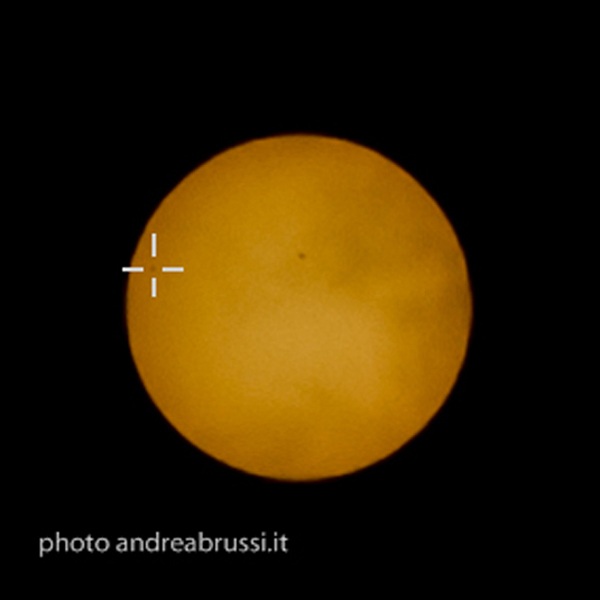
Taken with a standard photo camera: Nikon D7000, 85 mm f 1.8, Iso 100, 1/8000 sec, f 16, 1000x filter near Treviso (Italy) on 2016-05-09:11.50.25 UT at 45.739964612837994, 12.28710025867989