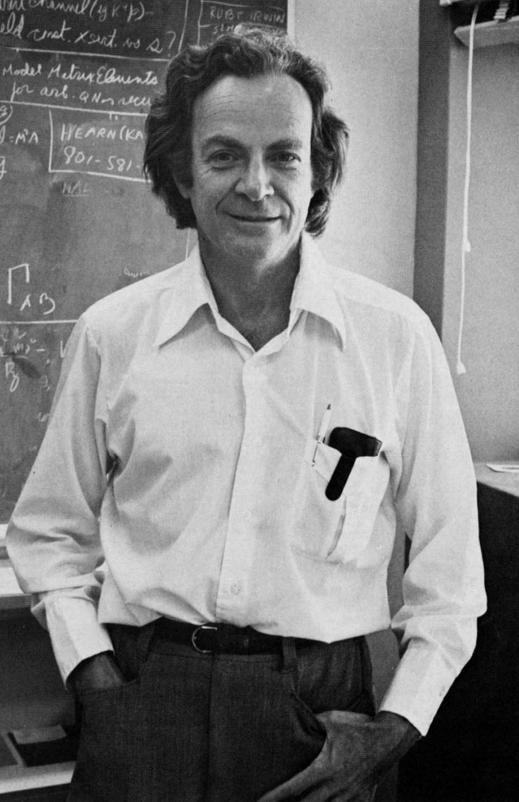
The great physicist Richard Feynman (1918-1988) honestly admitted that in modern physics we have no idea what energy ‘per se’ is. He described it as a kind of magical accounting: in the universe (or rather, in an isolated system), a lot of things happen, but at the end of each day, if we add up certain numbers characteristic of each event, the total is always the same. That number that never changes is energy. It is never created or destroyed, but always transformed.
The scholastic answer, “Energy is the capacity to do work” (given as known the concepts of work, force, etc.), is actually incorrect, because energy naturally tends to ‘spread’; that is, it prefers disorder. And as described by Ludwig Boltzmann (1844-1906), the measure of this disorder, called entropy, always increases in an isolated system. But since entropy also defines energy’s ability to do work, this ability actually always decreases, whereas energy is always conserved.
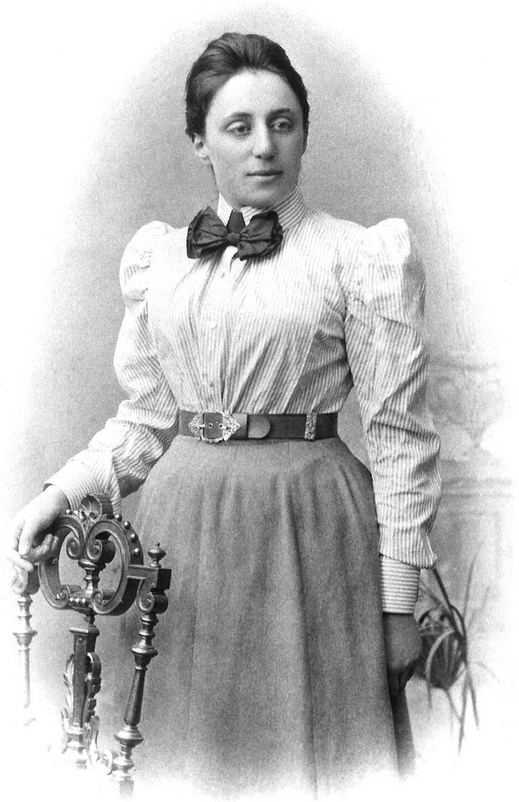
A more technical way to think about energy comes from Emmy Noether (1882-1935), who demonstrated that every conservation law in physics derives from a symmetry: energy is conserved because the Universe has a “translational time symmetry,” meaning the laws of physics remain the same as time passes, and the quantity that mathematically must remain constant is energy. In these terms, one could say that energy is time.
One way to calculate energy is the one defined by Einstein (see Einstein’s formula for energy), even if we don’t know what ‘stuff’ it’s made of. Simply put: even if an object is still and tiny, it hides a monstrous amount of energy within itself thanks to its mass (the constant of proportionality c² is a really huge number). And if it then begins to move due to external action, this energy increases.
Conclusion
We could define energy as the invisible ‘engine’ of reality. We can’t ‘touch’ it, but it ensures that the universe keeps its accounts in order (including the symmetry of time). Every time we do something, or even simply exist, we participate in this immense exchange of ‘tokens’ that has been going on ‘forever’.
Richard Feynman e Emmy Noether