Ole Rømer and the finite speed of light

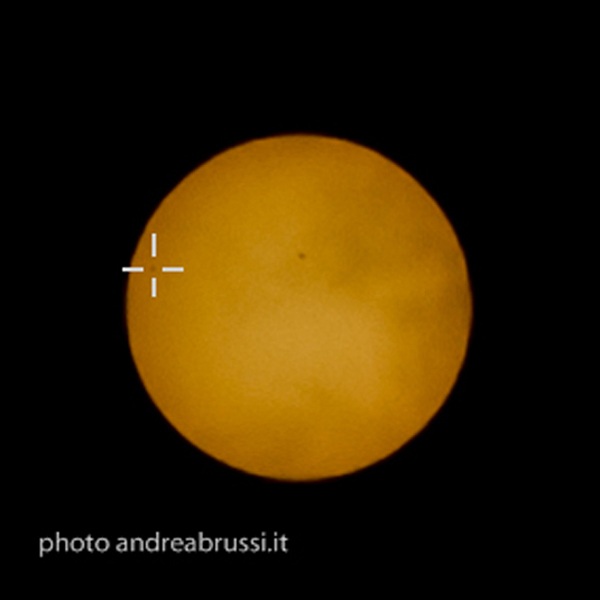
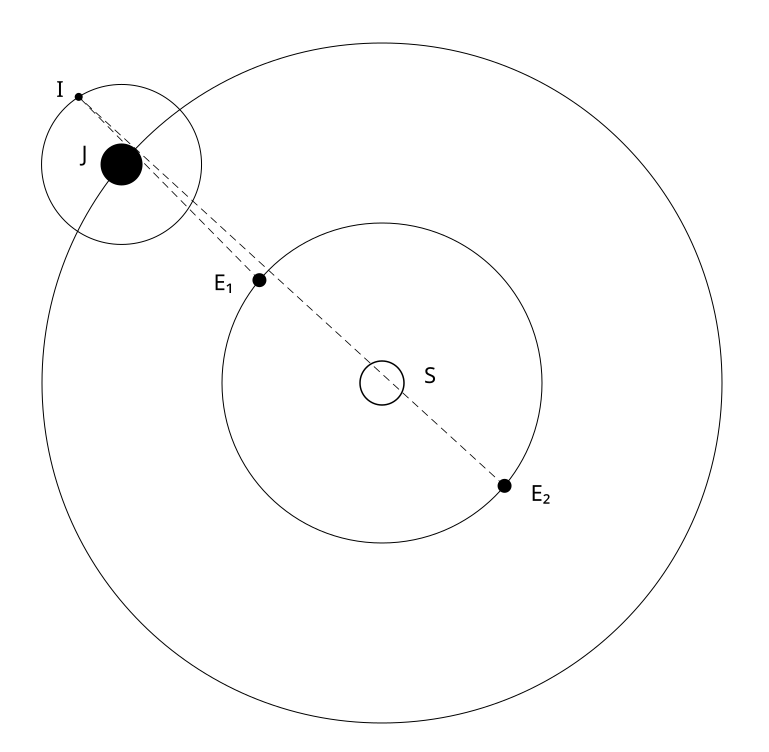
The first to observe that the propagation of light was not instantaneous was the astronomer Giovanni Domenico Cassini (1625-1712); the first to estimate its speed, in 1676, was the Danish astronomer Ole Christensen Rømer (1644-1710), both based their observations on the solar system.

pdf  Brussi 2026_Ole Rømer and the finite speed of light
 

please, rate this post
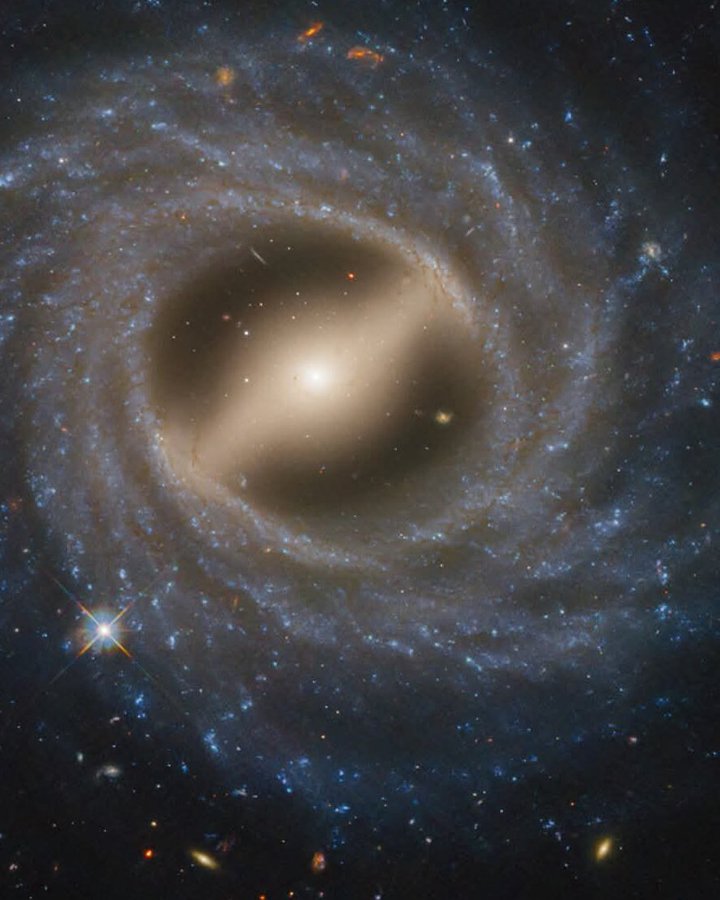
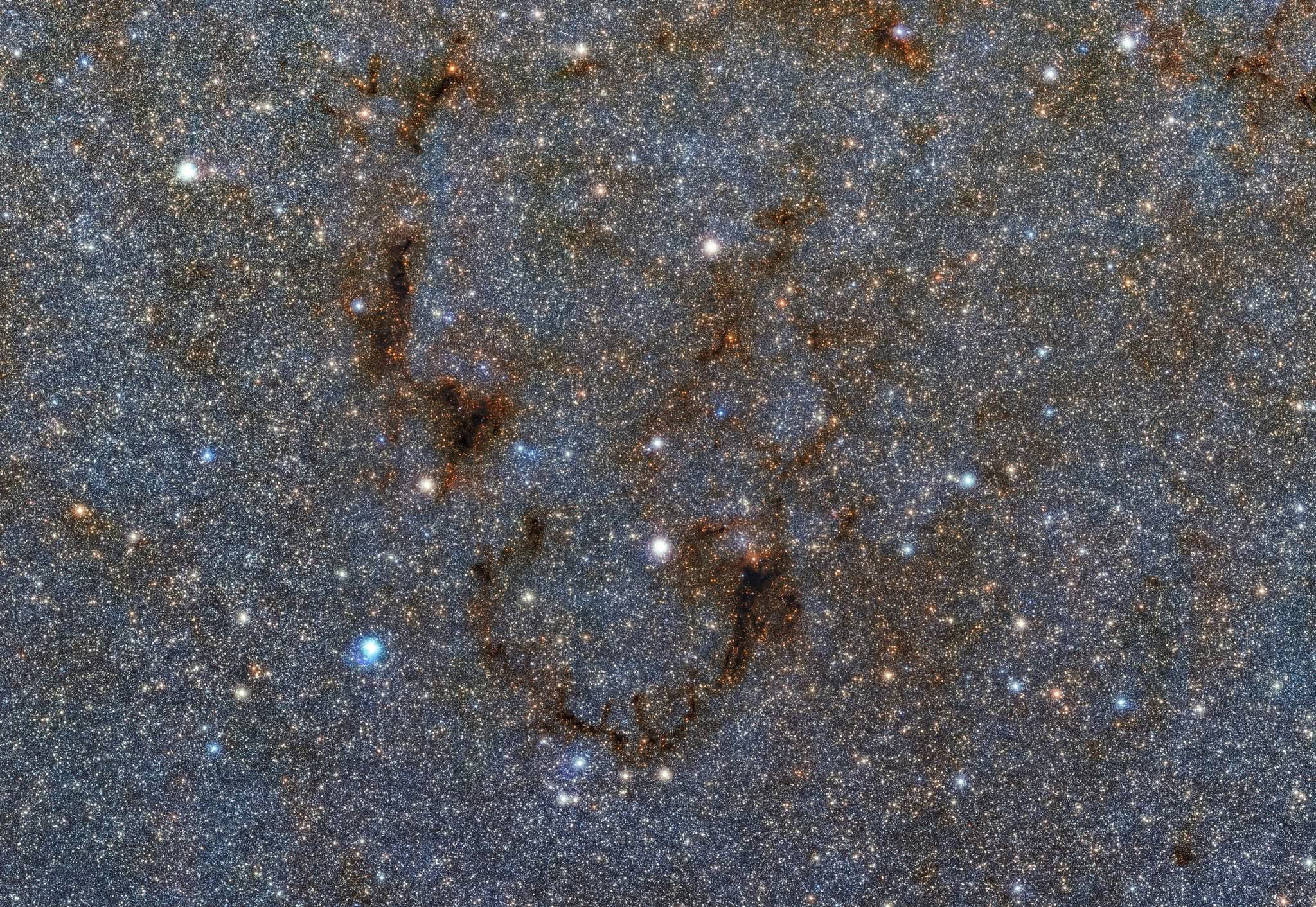
Milky Way bulge

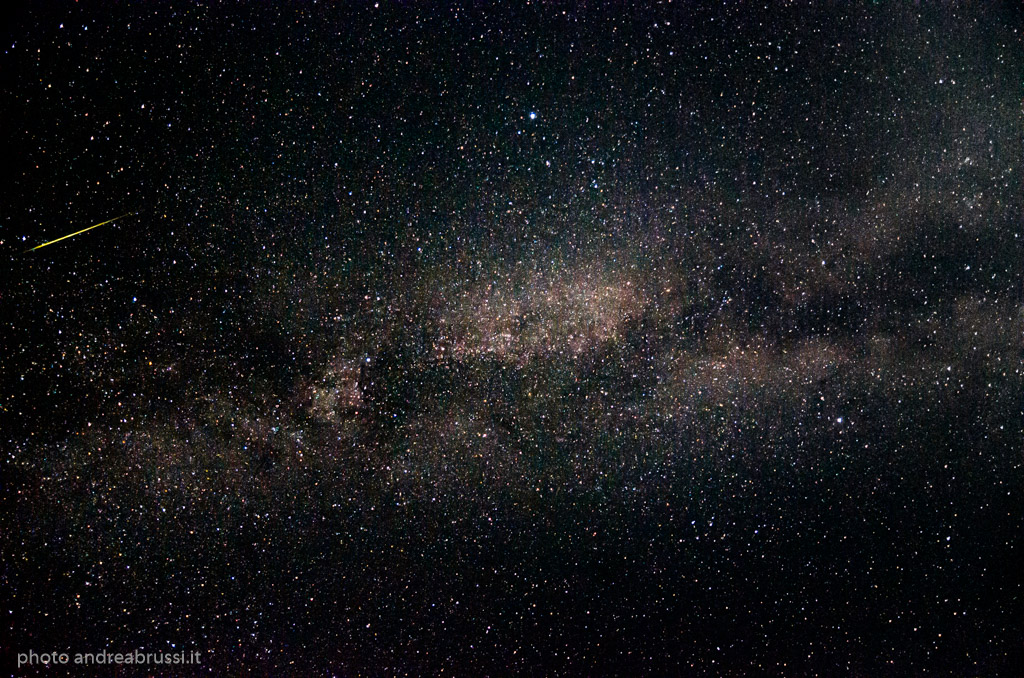
The galactic bulge is indeed an incredibly dense region. While the solar neighborhood has a stellar density of roughly about 1 star every 250 cubic light-years), the central bulge reaches densities of millions of stars per cubic light-year. In the densest parts, stars can be separated by only a few light-days or light-weeks, compared to the 4+ light-years between us and Proxima Centauri.


link  read more on Black Hole X Channel

please, rate this post

Stars like gas molecules

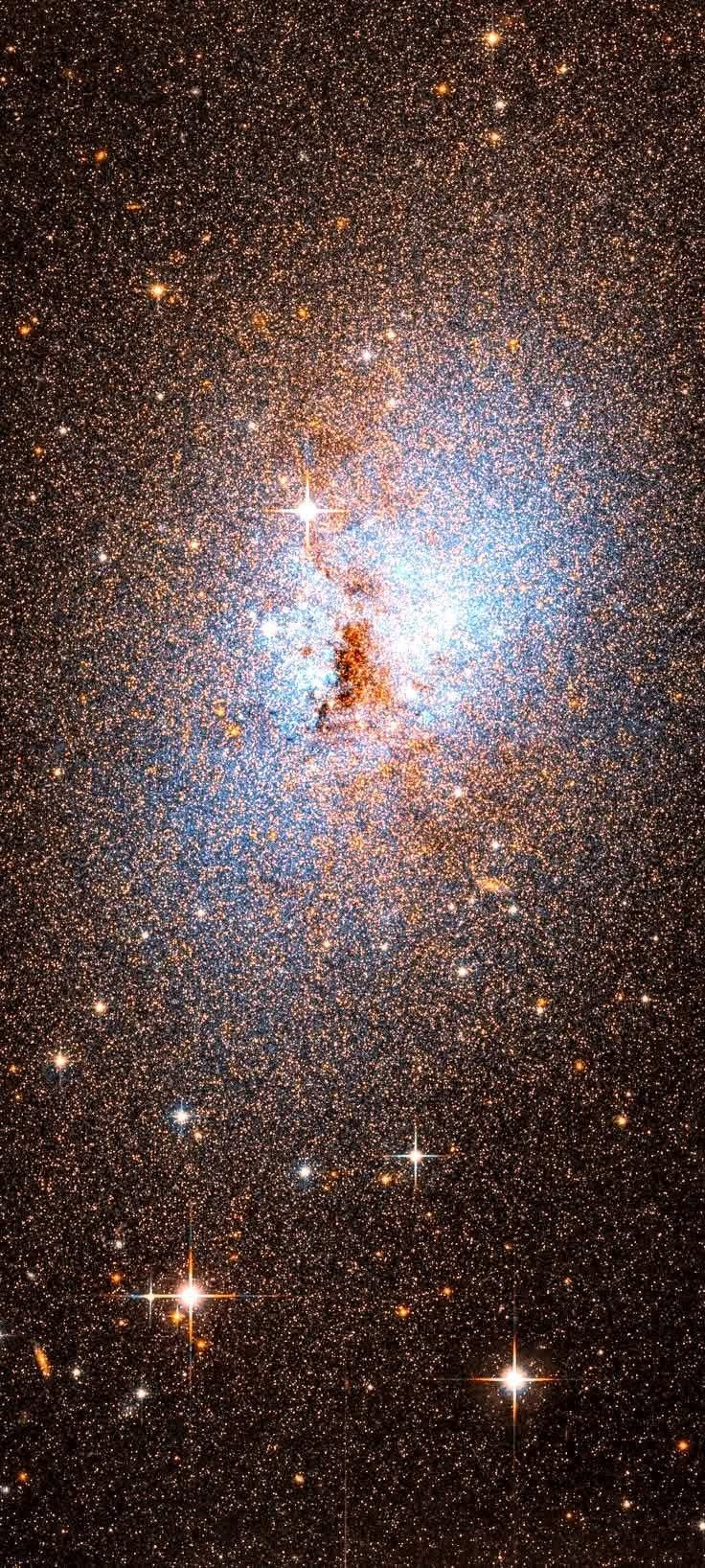
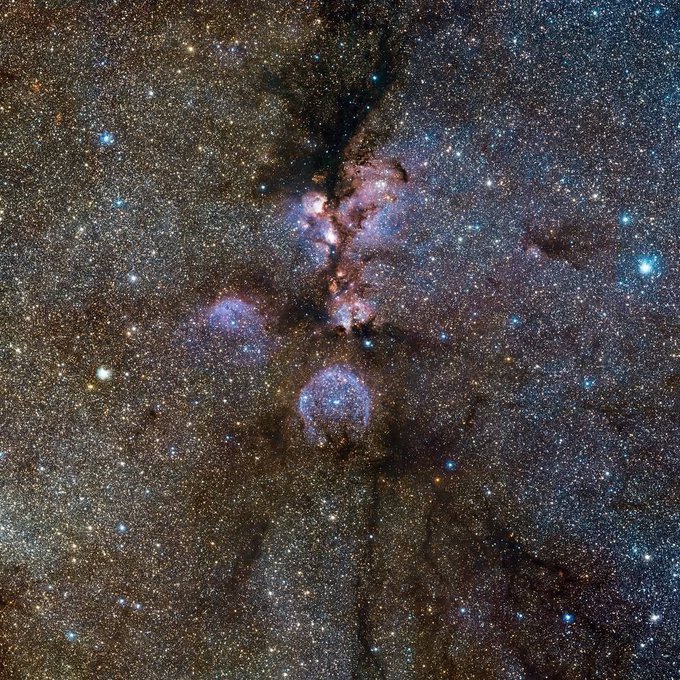
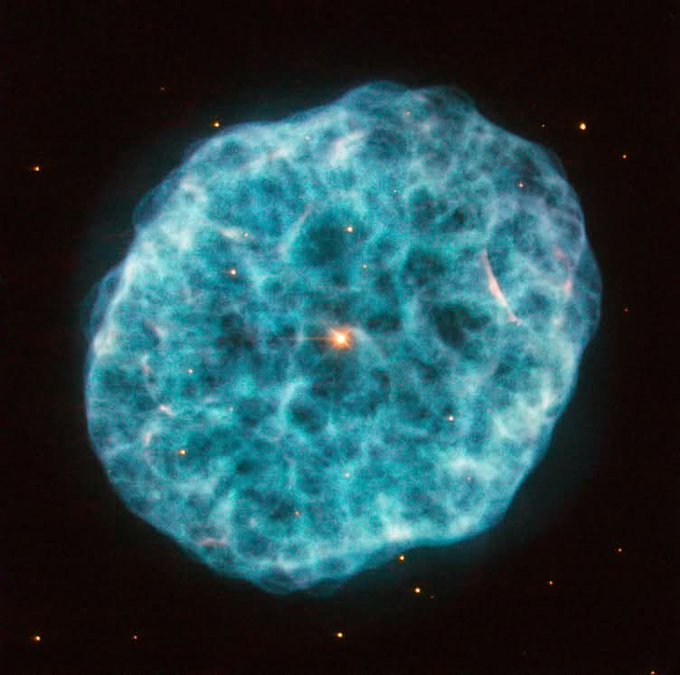
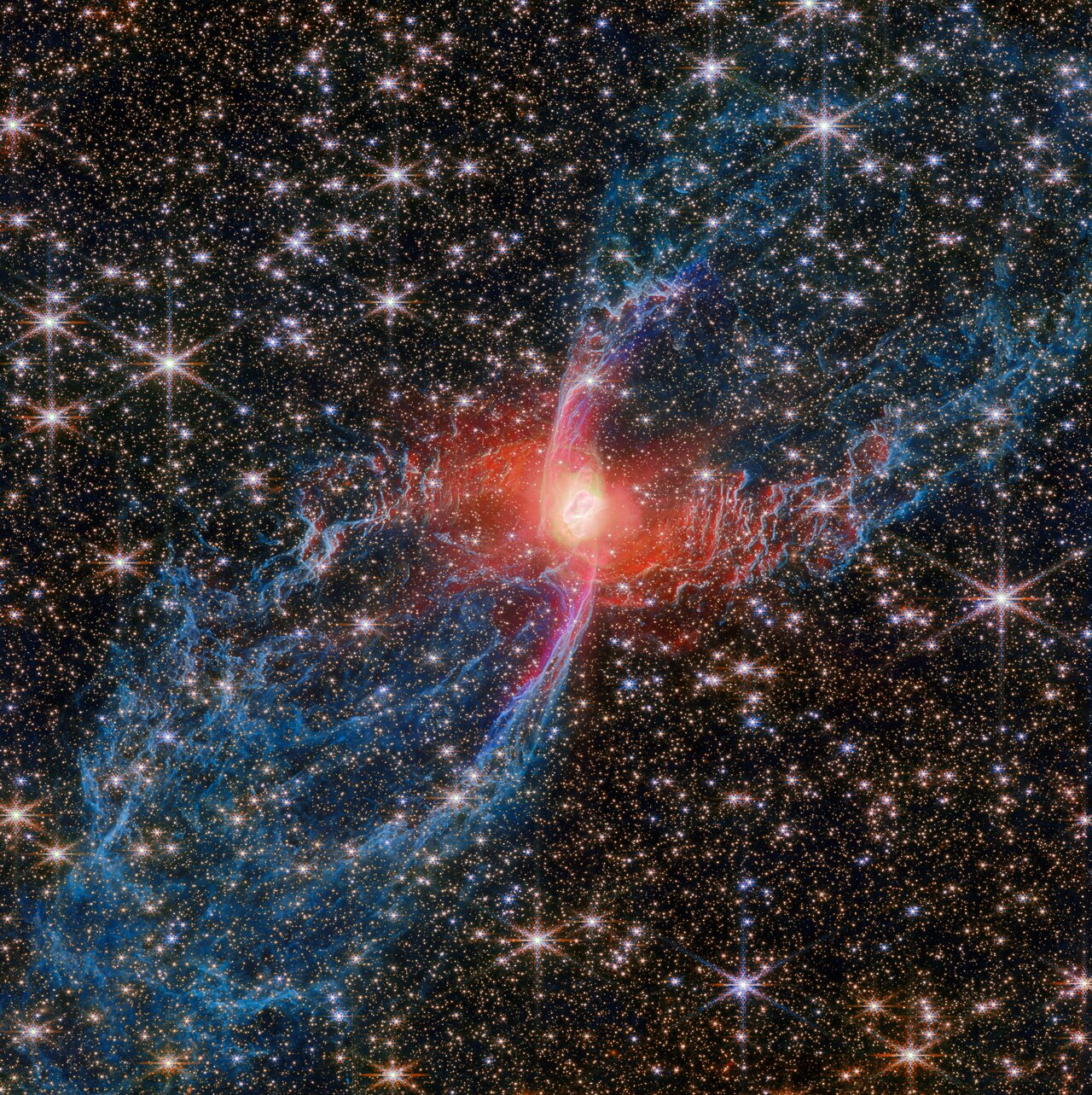
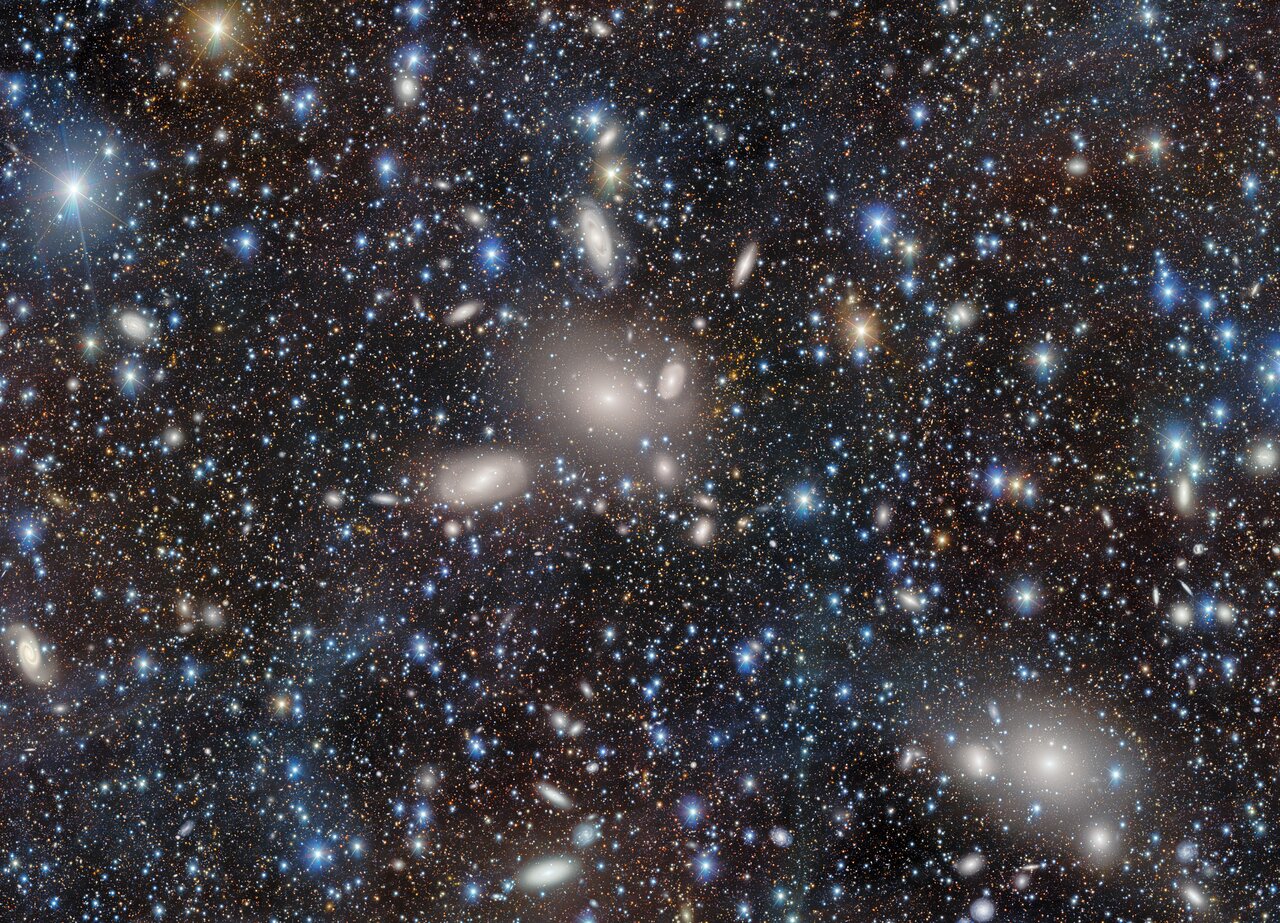
Looking at photographs of galaxies, one gets the impression that they are gas clouds, as they were actually considered before the resolution of optical instruments allowed us to identify individual sources. As in these splendid images from HST (the Hubble Space Telescope) and VISTA (the Visible and Infrared Survey Telescope for Astronomy, part of ESO’s Paranal Observatory).


Young compact star cluster E269-58 by HST

Young compact star cluster E269-58 by HST on X Black Hole channel

Cat’s Paw Nebula in Infrared

Cat’s Paw Nebula in Infrared on X Black Hole channel

please, rate this post

Here I am

After a hiatus from 2021, I’m resuming my online presence with this small collection of suggestions, seeking intellectual dialogue. Let me know what you think in the comments or via email.
Thanks

p.s. I posted with the dates of the original documents


That's me

please, rate this post